
The Second Scam: How Fake Recovery Services Target Fraud Victims
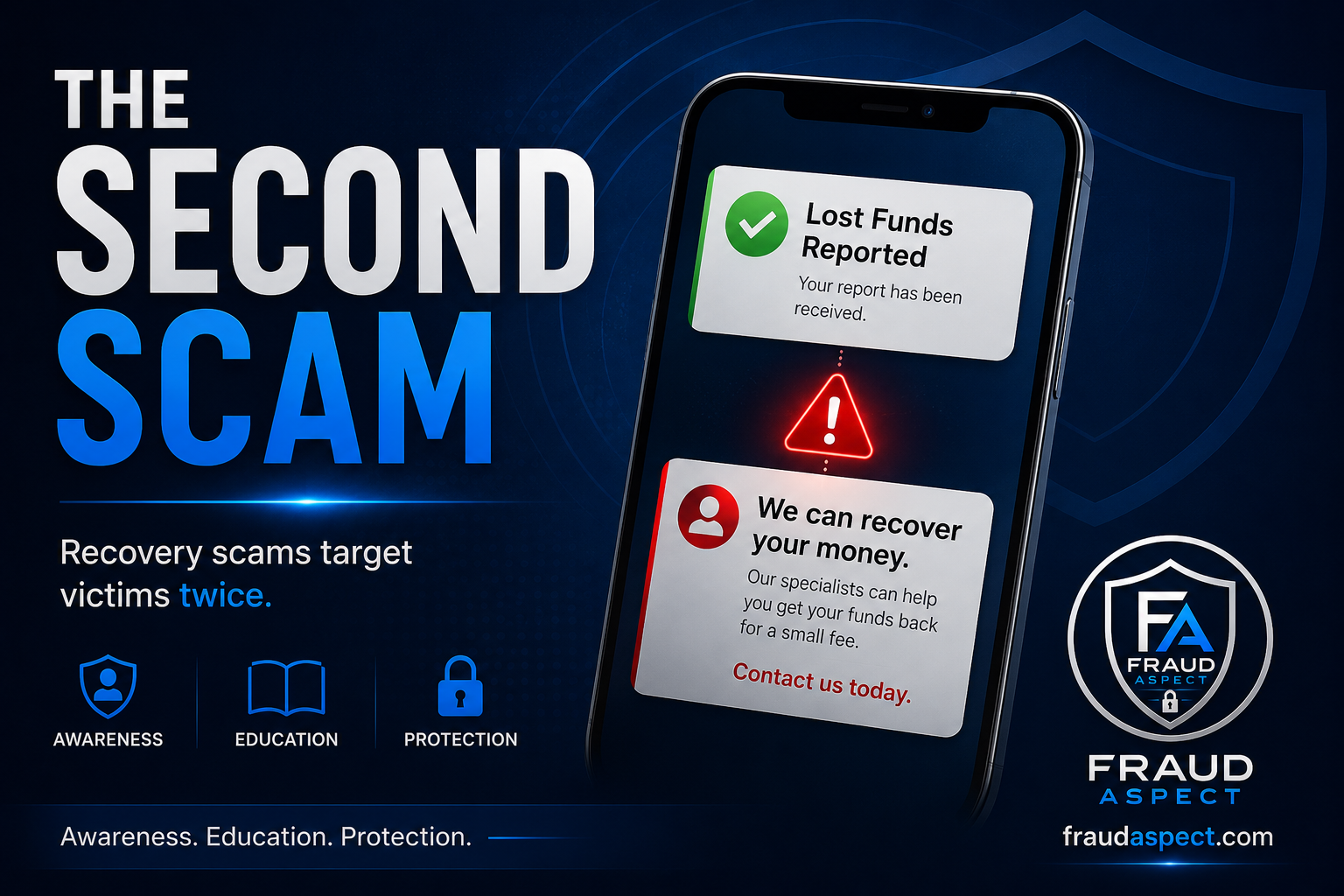
The money was stolen. Then came the promise to get it back. Discover how recovery scammers exploit hope, target fraud victims, and convince people to lose even more money.
The Second Scam: How Fake Recovery Services Target Fraud Victims
By Christopher Biggar, Founder of Fraud Aspect
You finally realize you’ve been scammed.
Maybe it was a fake investment opportunity, an online purchase that never arrived, a romance scam, or a cryptocurrency scheme. The money is gone, and you’re searching for answers. You report the incident, begin researching recovery options, and hope someone can help.
Then you receive a message.
Someone claims they can recover your money. They say they have tracked the fraudster, identified the stolen funds, or have special connections that can help get your money back.
Unfortunately, for many victims, this is where the second scam begins.
What Are Recovery Scams?
Recovery scams occur when fraudsters target individuals who have already been victims of a scam. They pose as professionals who can help recover lost funds, stolen cryptocurrency, or assets lost through fraud.
These scammers often claim to be:
Recovery specialists
Cyber investigators
Asset recovery firms
Attorneys
Government agents
Cryptocurrency tracing experts
Consumer protection advocates
Their goal is simple: convince victims to send even more money.
How Recovery Scammers Find Their Victims
Many victims are surprised to learn that scammers often know they have already been defrauded.
Fraudsters obtain victim information through a variety of methods, including:
Public social media posts discussing a scam
Online scam victim forums
Data breaches
Lists sold between criminal organizations
Information gathered during previous scams
In some cases, the same criminal group that conducted the original scam may contact the victim again under a different identity, claiming they can help recover the funds they stole.
Common Recovery Scam Red Flags
While recovery scams come in many forms, there are several warning signs that frequently appear.
Upfront Fees
One of the most common indicators is a request for payment before any recovery work begins. The scammer may call it a processing fee, legal fee, investigation fee, or administrative cost.
Guaranteed Recovery
No legitimate professional can guarantee that stolen funds will be recovered. Recovery efforts often depend on timing, available evidence, jurisdiction, and whether the funds can still be traced.
Pressure to Act Quickly
Scammers frequently create urgency by claiming a recovery window is about to close or that immediate action is required.
Unsolicited Contact
Be cautious if someone contacts you unexpectedly claiming they can recover money you lost. Legitimate organizations rarely reach out to victims without prior contact or a request for assistance.
Requests for Cryptocurrency Payments
Many recovery scammers ask victims to pay using cryptocurrency, gift cards, wire transfers, or other difficult-to-reverse payment methods.
Claims of Special Connections
Be skeptical of anyone claiming they have insider contacts at banks, government agencies, law enforcement organizations, or cryptocurrency exchanges that guarantee results.
A Common Recovery Scam Scenario
Imagine a victim named Sarah who loses $5,000 to an online investment scam.
A week later, she receives a message from someone claiming to be a recovery investigator. The individual states they have already located the stolen funds and can recover them for a $500 processing fee.
Desperate to recover her money, Sarah pays the fee.
A few days later, she is told additional legal documentation is required, costing another $750.
Then another fee appears.
And another.
Eventually, the so-called recovery specialist disappears, leaving Sarah with even greater losses than before.
While the details vary, this pattern is extremely common.
Can Lost Funds Ever Be Recovered?
In some situations, recovery may be possible.
Banks may be able to assist in certain fraud cases if the incident is reported quickly. Law enforcement agencies investigate fraud crimes, and attorneys may provide guidance regarding legal remedies. In the cryptocurrency space, specialized firms may assist with tracing transactions.
However, legitimate professionals will be honest about the limitations and uncertainties involved.
Anyone promising guaranteed recovery should immediately raise concerns.
How to Protect Yourself
If you have been the victim of fraud, consider the following steps before engaging with any recovery service:
Research the company independently.
Verify business registrations and professional credentials.
Be cautious of unsolicited contact.
Never pay upfront fees based solely on promises.
Ask detailed questions about the recovery process.
Seek independent reviews from trusted sources.
Consult your financial institution if funds were transferred through a bank account or payment service.
Report suspected recovery scams to appropriate authorities.
Final Thoughts
Fraud victims are often searching for hope, answers, and assistance. Unfortunately, recovery scammers understand this and exploit those emotions to create another opportunity for theft.
Before sending money to anyone promising to recover your losses, take a step back and verify who they are, what credentials they possess, and whether their claims can be independently confirmed.
The original scam may have taken your money, but a recovery scam can take both your money and your remaining hope.
Remember: if someone guarantees they can get your money back, that promise alone may be the biggest red flag of all.
About the Author
Christopher Biggar is the Founder of Fraud Aspect and a banking fraud professional with experience investigating check fraud, business email compromise, payment fraud, social engineering schemes, and emerging fraud trends. Through Fraud Aspect, he helps individuals and organizations better understand fraud tactics, recognize warning signs, and strengthen fraud awareness before becoming victims.
Have questions or a topic you’d like covered in a future article? Visit FraudAspect.com to learn more and connect with Fraud Aspect.
What Your Car Is Telling Strangers: The Hidden Risks of Personalized License Plates and Family Decals
Family decals and personalized license plates may seem harmless, but they can reveal more personal information than you realize. Learn how these small details can be used by scammers, stalkers, and other bad actors to gather information about potential victims.
Subtitle
How seemingly harmless vehicle personalization can reveal more information than you realize.
Introduction
Many people personalize their vehicles to express their interests, celebrate their families, or make their cars easier to identify. While there is nothing inherently wrong with a personalized license plate or family-themed decal, these identifiers can unintentionally provide strangers with valuable information.
Criminals, scammers, stalkers, and even opportunistic thieves often rely on small pieces of information to build a larger picture of their targets. What appears to be a harmless sticker or custom plate may reveal details that can be exploited in ways most people never consider.
What Information Are You Giving Away?
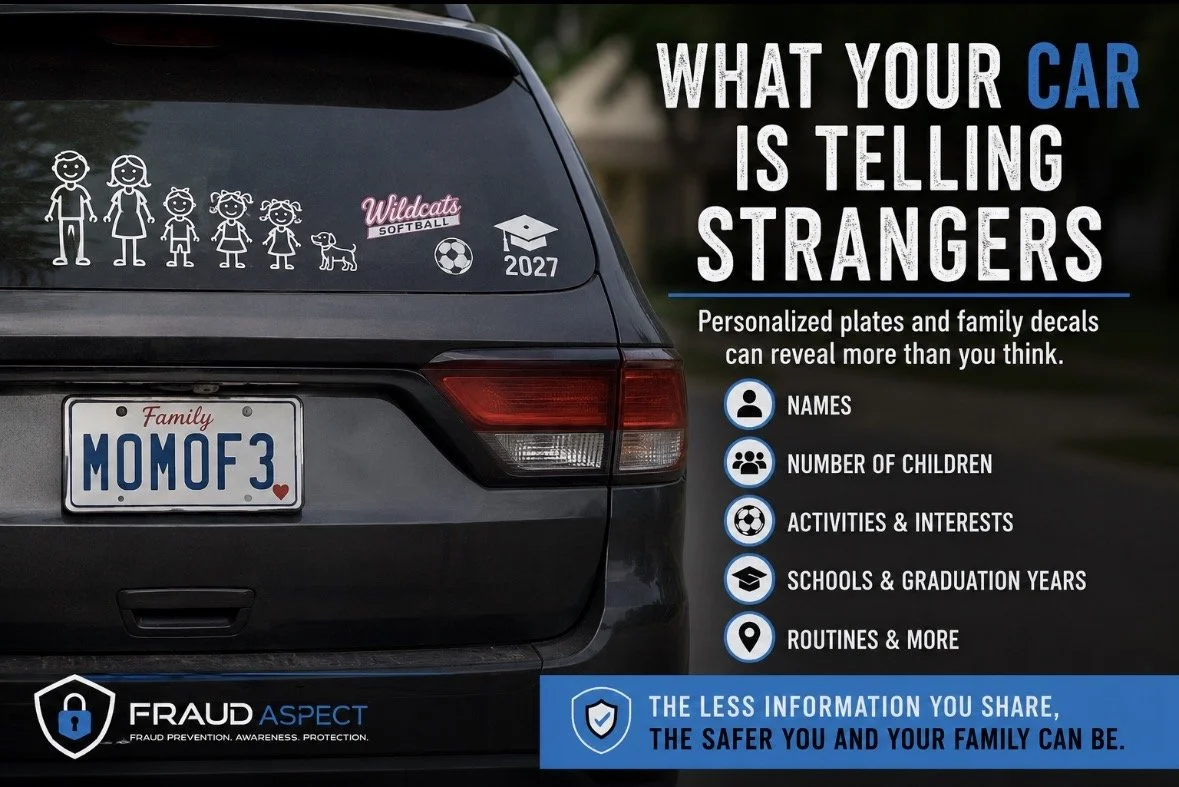
A personalized license plate or decal may disclose:
Names of family members
Children’s names
Number of children in the household
Hobbies and interests
Sports affiliations
Occupation
Military service
Pet names
Graduation years
Religious affiliations
Each detail may seem insignificant on its own. Combined together, however, they create a profile that can be used by bad actors.
The Social Engineering Connection
Fraudsters excel at making victims feel comfortable.
Imagine someone approaches a parent in a parking lot and says:
“Hey, is Emma still playing softball for the Wildcats?”
If the criminal learned the child’s name from a decal and the team affiliation from another sticker, the conversation immediately sounds more legitimate.
This is the same principle scammers use online: collecting small details to create trust.
Why Children Can Be Particularly Vulnerable
Family decals often advertise:
Children’s names
Ages
Number of children
School activities
Sports teams
Most people would never hand this information to a stranger. Yet many unknowingly display it on the back of their vehicle every day.
A predator does not need much information to appear familiar or credible to a child.
The Personalized License Plate Problem
Custom plates can reveal:
First names
Nicknames
Birth years
Occupations
Hobbies
Business ownership
A plate such as “EMMASDAD” or “MOMOF3” may seem harmless, but it provides clues that can help someone identify the vehicle owner or family members.
Could This Contribute to Human Trafficking Risks?
Human trafficking is a complex crime, and there is limited evidence that personalized plates or decals alone cause someone to become a victim.
However, traffickers and predators often look for opportunities and information that help them identify vulnerable targets. Publicly displaying personal details can provide information that may assist someone with harmful intentions.
The concern is not that a decal automatically leads to trafficking. The concern is that it contributes to unnecessary exposure of personal information.
Safer Alternatives
Consider:
Removing decals that identify children by name
Avoiding personalized plates that reveal names
Limiting school-specific stickers
Using generic decals instead of family-member graphics
Reviewing what personal information is visible from outside your vehicle
Final Thoughts
Fraud prevention is often about reducing the amount of information available to bad actors.
A personalized license plate or family decal may seem like a small detail, but criminals frequently build their schemes using many small details gathered from multiple sources. The less information you publicly display, the fewer opportunities you provide for someone to misuse it.
At Fraud Aspect, we encourage people to think like a fraudster, not because we expect the worst, but because awareness is one of the strongest forms of prevention.
Have you ever looked at your vehicle through the eyes of a stranger?
Take a few minutes today to walk around your car and identify any decals, stickers, personalized plates, or other markings that may reveal personal information about you or your family. You may be surprised by how much information is publicly available at a glance.
Awareness is the first step toward prevention. If this article made you think differently about the information you share, consider sharing it with friends, family members, and parents who may not realize the risks.
For more fraud prevention insights, scam awareness resources, and practical security tips, visit Fraud Aspect at FraudAspect.com and follow us on social media. Together, we can make it harder for criminals to gather the information they need and easier for people to protect themselves.
How Fraudsters Build Trust Before They Steal It
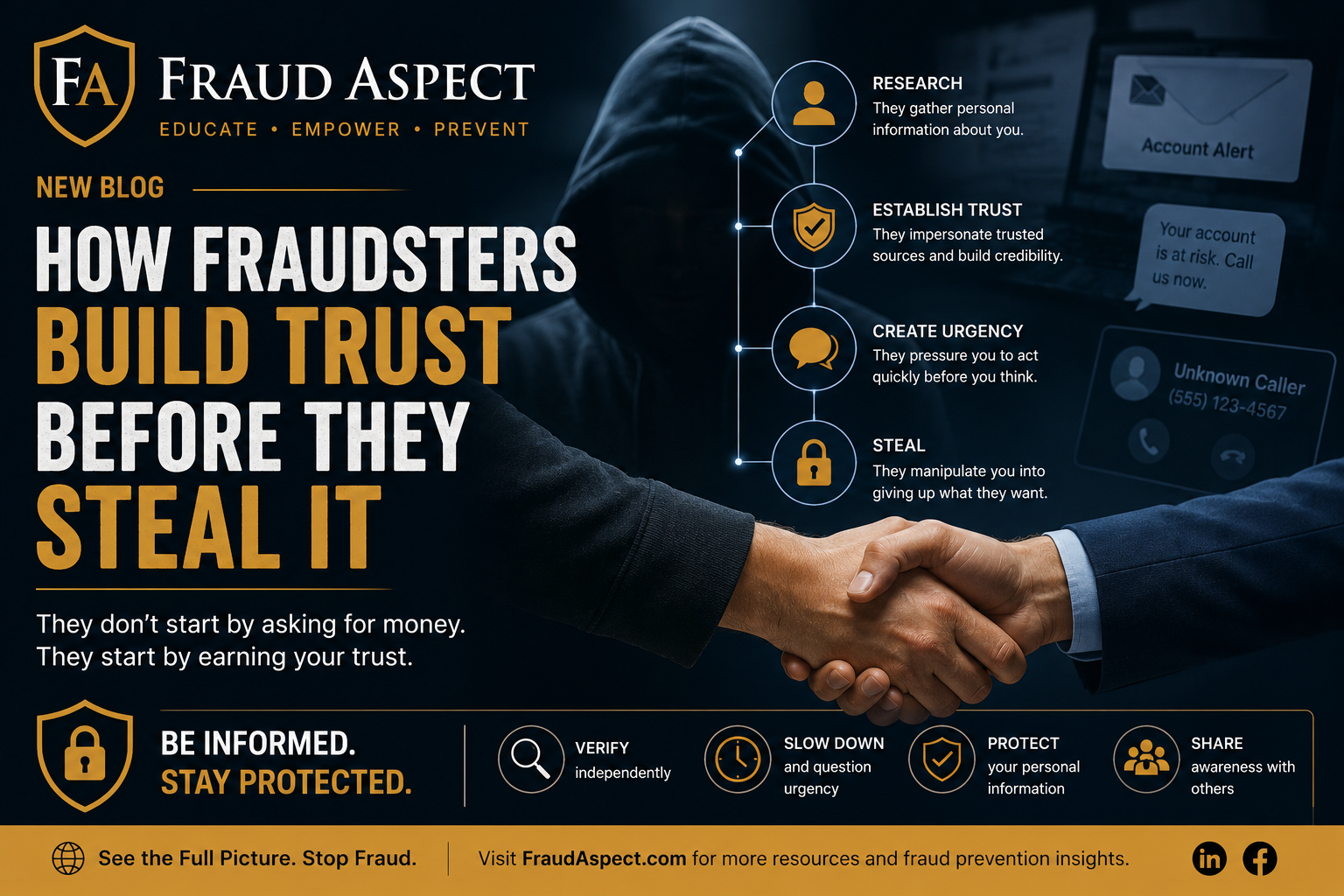
Fraudsters rarely start by asking for money. They begin by building trust. Learn how scammers establish credibility, create urgency, manipulate victims, and discover practical strategies to protect yourself before fraud occurs.
Most people assume fraud begins with a suspicious phone call, text message, or email.
In reality, many scams begin long before the victim is asked for money, personal information, or account access.
Successful fraudsters understand that trust is often the strongest tool in their arsenal.
The Trust-Building Phase
Before attempting to steal information or money, scammers frequently spend time establishing credibility.
They may:
Research their target online
Review social media profiles
Learn family member names
Reference employers or organizations
Use information from previous data breaches
Mimic trusted businesses or government agencies
The goal is simple: appear legitimate.
Why Trust Matters
People are naturally more likely to respond when they believe they know who is contacting them.
Fraudsters exploit this tendency by creating familiarity.
A scammer may know:
Your bank’s name
Your employer
Your city
The last four digits of a phone number
Information publicly available online
When combined, these details can create a convincing illusion of authenticity.
Common Trust-Building Tactics
Authority
Scammers often pose as:
Banks
Government agencies
Law enforcement
Technology companies
Employers
People are conditioned to respond to authority figures, making these impersonations especially effective.
Familiarity
Fraudsters may claim:
A friend referred them
A family member needs help
An account already exists
A previous conversation occurred
These tactics lower skepticism and encourage engagement.
Urgency
Once trust has been established, urgency is introduced.
Victims are told:
An account is at risk
A payment is overdue
A security issue requires immediate action
A limited-time opportunity will expire
The combination of trust and urgency can override critical thinking.
Protecting Yourself
Before responding to unexpected communications:
✓ Verify independently using known contact information
✓ Slow down and resist pressure
✓ Question requests involving money, passwords, or account access
✓ Confirm information through official channels
✓ Remember that legitimate organizations rarely object to verification
Final Thought
Fraud prevention is not just about spotting suspicious messages.
It is about recognizing when someone is attempting to manufacture trust.
The most effective fraudsters do not start by asking for money.
They start by convincing you they deserve your confidence.
See the Full Picture. Stop Fraud.
Want to stay informed about emerging fraud threats and prevention strategies?
Explore more articles, resources, and fraud awareness insights at FraudAspect.com.
Follow Fraud Aspect on LinkedIn and Facebook for the latest fraud trends, scam alerts, and educational content designed to help you stay one step ahead of financial criminals.
Together, awareness is our strongest defense.
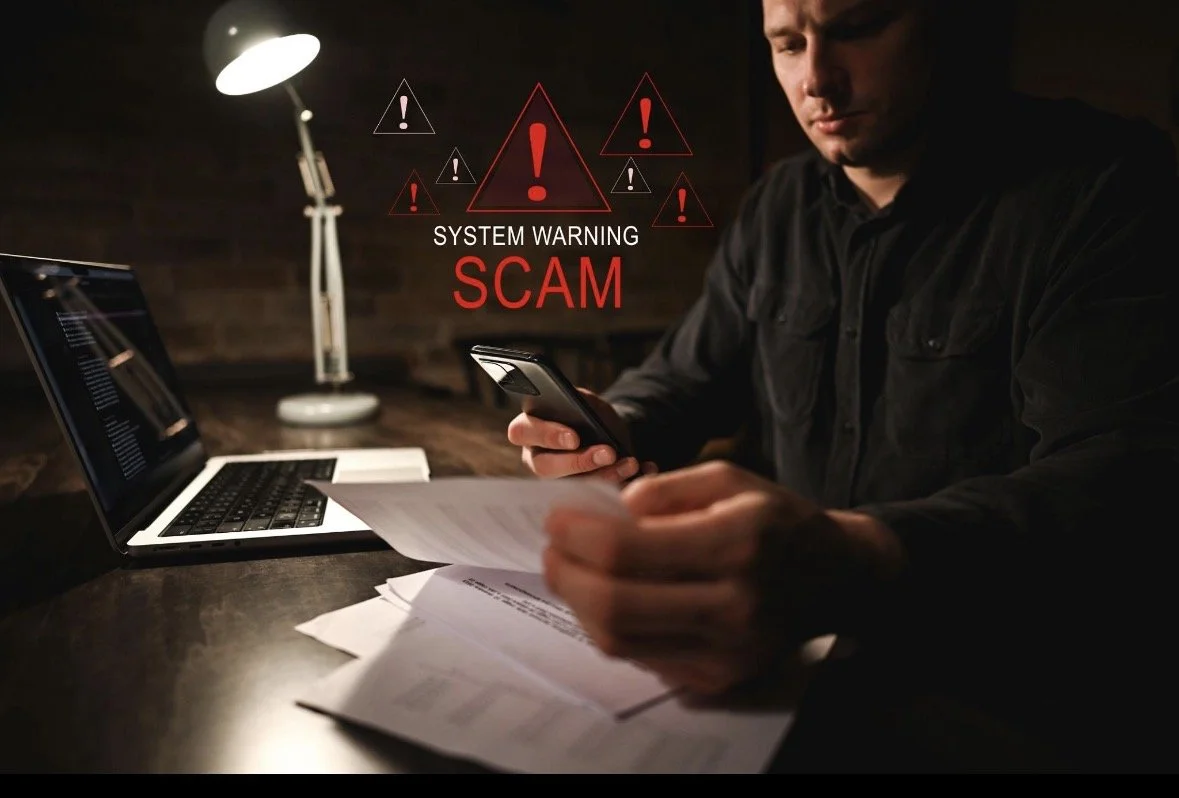
How Fraudsters Use Urgency to Override Critical Thinking By Fraud Aspect
Fraudsters use urgency to bypass critical thinking and pressure victims into making quick decisions. Learn how urgency influences behavior, common tactics scammers use, and practical steps to protect yourself.
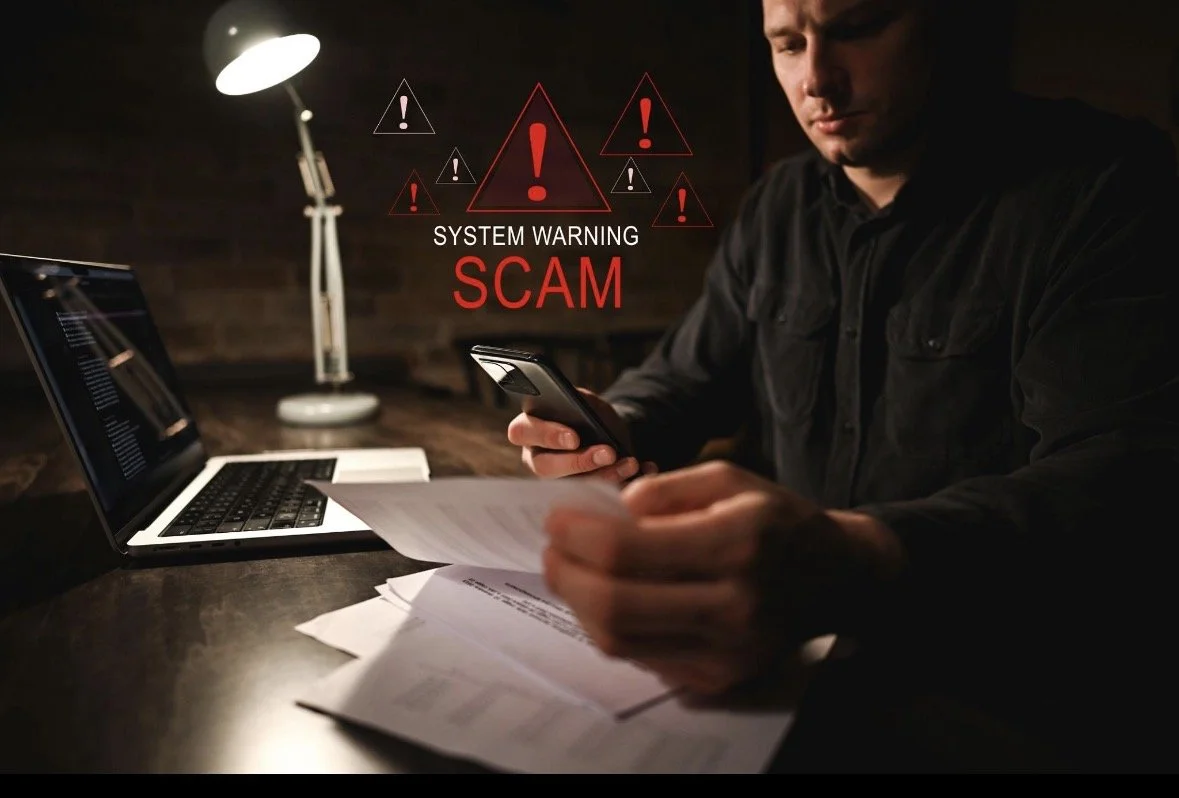
By Fraud Aspect
The Pressure to Act Fast Is Not an Accident—It’s a Tactic
One of the most effective tools in a fraudster’s arsenal isn’t sophisticated technology, stolen data, or even a convincing story. It’s urgency.
Fraudsters understand something about human behavior: when people feel rushed, they are more likely to make decisions without fully evaluating the situation. The goal isn’t simply to trick someone—it’s to prevent them from thinking critically long enough to recognize the warning signs.
Whether it’s a text message claiming your bank account has been compromised, a phone call threatening legal action, or an email demanding immediate payment, urgency is often the common thread.
The next time someone tells you that you must act right now, pause and ask yourself an important question:
Who benefits from me making a rushed decision?
The Psychology Behind Urgency
When we perceive a threat or high-pressure situation, our brains shift into a protective mode.
Instead of carefully analyzing information, we focus on resolving the perceived problem as quickly as possible. This response evolved to help humans survive immediate dangers, but fraudsters exploit it for their own gain.
When urgency takes over:
Logical thinking decreases.
Emotional responses increase.
Attention narrows.
Verification steps are skipped.
Red flags become easier to overlook.
Fraudsters know this. That’s why many scams are designed to create anxiety, fear, excitement, or panic.
Their objective is simple:
Get you to react before you think.
How Fraudsters Create Urgency
Threats and Consequences
Fraudsters often claim something bad will happen if immediate action isn’t taken.
Examples include:
“Your account will be suspended.”
“Your payment is overdue.”
“Your identity has been compromised.”
“Law enforcement will be notified.”
The fear of consequences can push victims into acting before verifying the information.
Artificial Deadlines
Many scams include a countdown or time limit.
Examples:
“Respond within 30 minutes.”
“This offer expires today.”
“Act now to avoid penalties.”
These deadlines are rarely legitimate. Their purpose is to eliminate the opportunity for careful thought.
Authority Pressure
Scammers frequently impersonate trusted organizations such as:
Banks
Government agencies
Utility companies
Technology support teams
People naturally trust authority figures. When authority is combined with urgency, the pressure becomes even more effective.
Scarcity Tactics
Fraudsters may claim there is only a limited opportunity available.
Examples include:
Investment opportunities
Cryptocurrency schemes
Prize winnings
Exclusive offers
The fear of missing out can cloud judgment and lead to poor decisions.
Real-World Examples
Bank Impersonation Scams
You receive a text message stating that suspicious activity has been detected on your account and immediate action is required.
The message includes a link and warns that your account may be locked if you do not respond.
The goal is not security.
The goal is to get you to click before you verify.
Government Impersonation Scams
A caller claims to represent a government agency and states that unpaid taxes or legal issues require immediate payment.
Victims are told they must act now or face penalties.
Legitimate agencies do not demand immediate payment through gift cards, cryptocurrency, or wire transfers.
Business Email Compromise
An employee receives an urgent email that appears to come from an executive.
The message requests an immediate wire transfer and stresses confidentiality.
The fraud succeeds because the victim focuses on the urgency rather than the unusual request.
The Four-Step Response to Urgency
When faced with a high-pressure request, remember these four steps:
1. Pause
Do not react immediately.
Fraudsters want speed. Slowing down disrupts their strategy.
2. Question
Ask yourself:
Why is there pressure?
What happens if I wait?
Is this request reasonable?
Legitimate organizations understand the need for verification.
3. Verify
Use trusted contact information to confirm the request.
Do not rely on phone numbers, links, or email addresses provided in the message.
4. Think
Make decisions when you are calm—not when you are emotional.
Critical thinking is one of the strongest fraud prevention tools available.
The Bottom Line
Fraudsters are not just targeting your information or your money.
They are targeting your decision-making process.
Urgency is designed to bypass critical thinking and trigger emotional reactions. The faster they can get you to act, the less likely you are to identify the warning signs.
The next time a message, email, or phone call demands immediate action, remember:
Slow down. Verify. Protect yourself.
Because legitimate organizations may ask for your attention—but fraudsters demand your urgency.
Fraud Aspect Takeaway
If someone is pressuring you to act immediately, that pressure itself may be the biggest red flag.
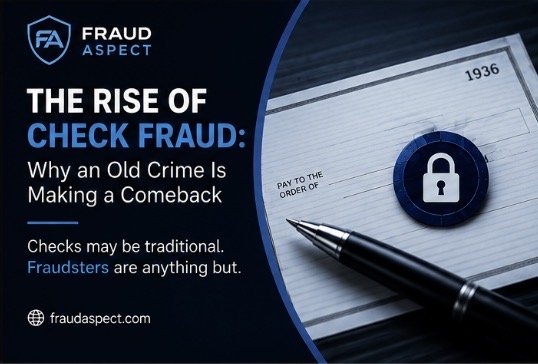
The Rise of Check Fraud: Why an Old Crime Is Making a Comeback
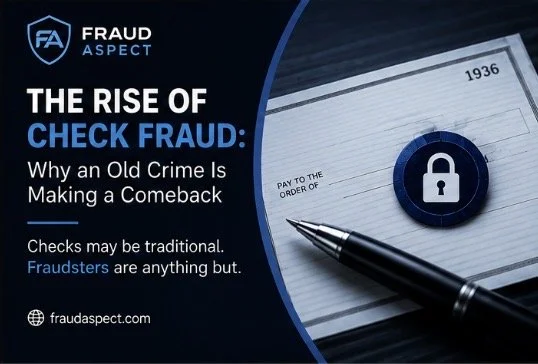
Introduction
While digital banking continues to grow, check fraud remains one of the fastest-growing fraud threats facing consumers and businesses.
How Criminals Obtain Checks
Mail theft
Stolen mailboxes
Altered checks
Counterfeit checks
Social engineering
Warning Signs
Missing checks
Unexpected account activity
Delayed payments
Altered payee information
Prevention Tips
Use secure mail collection
Monitor accounts frequently
Consider electronic payments when possible
Report suspicious activity immediately
Conclusion
Check fraud continues to evolve. Staying informed is critical to protecting both personal and business finances.
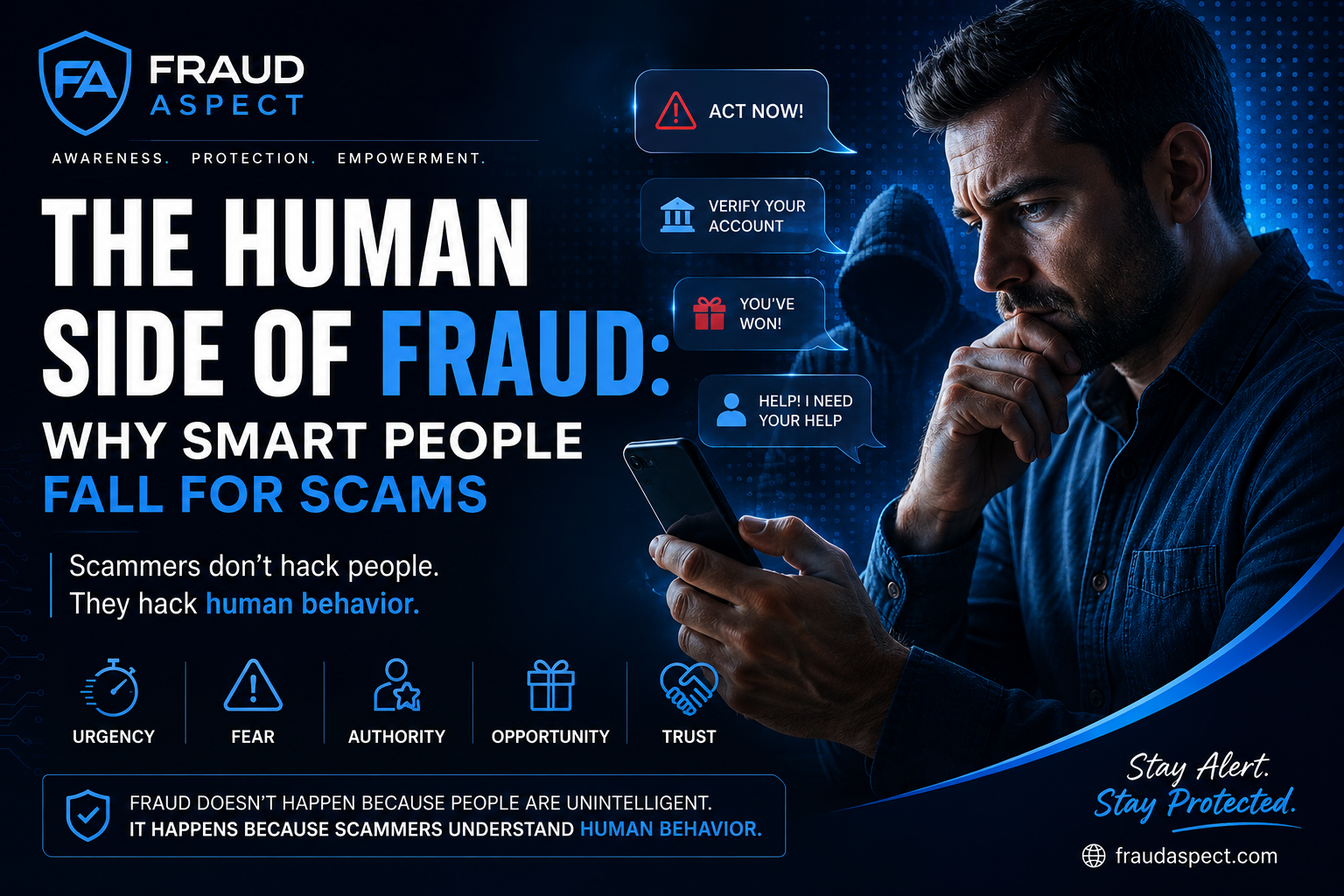
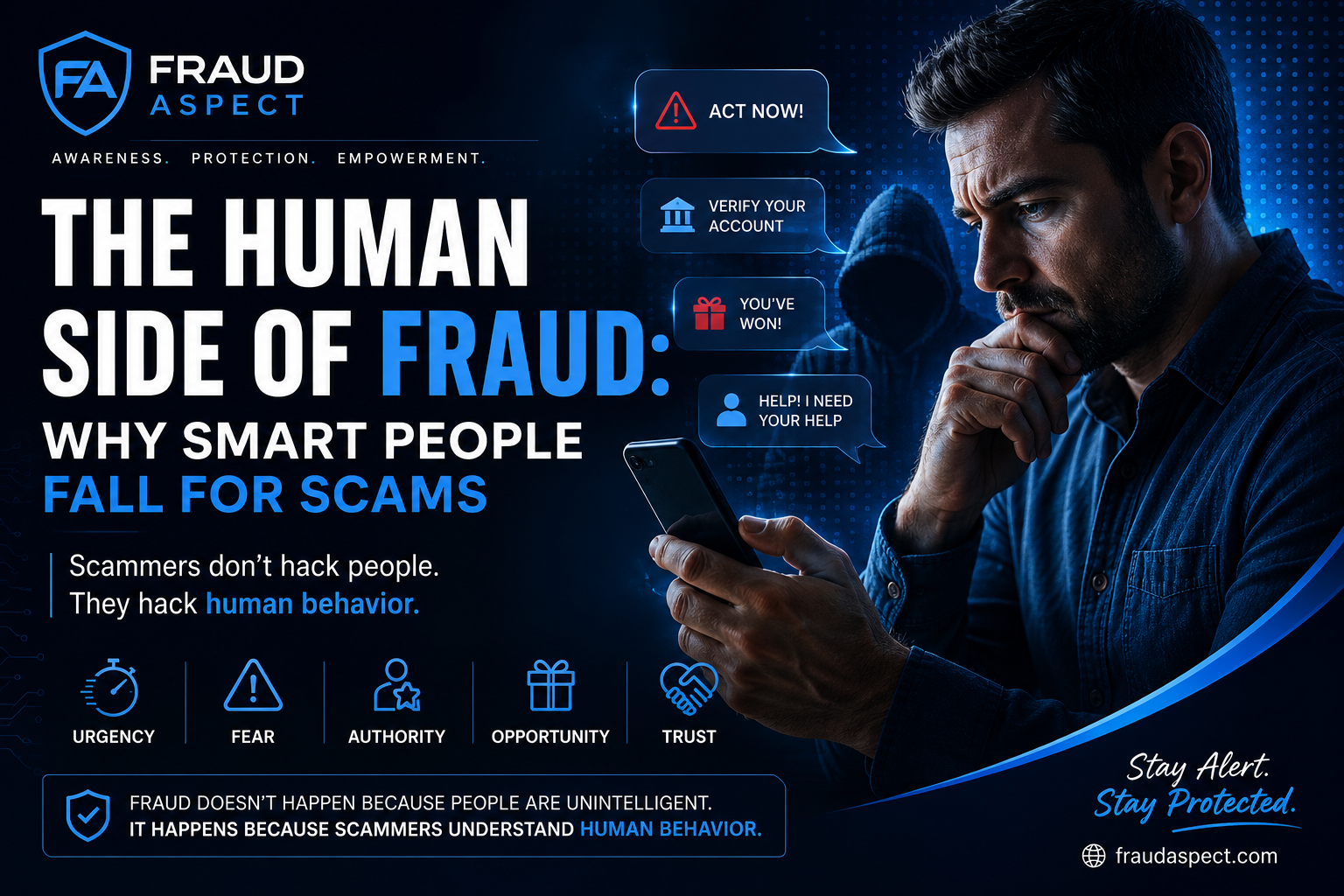
The Human Side of Fraud: Why Smart People Fall for Scams
Fraud is not a reflection of intelligence. Scammers use psychology, trust, fear, and emotion to manipulate victims into making decisions they normally wouldn’t make. Discover why anyone can become a target and how to recognize the warning signs.
Introduction
Many people assume fraud victims are careless or uninformed. The reality is far different. Fraudsters succeed because they understand human behavior, emotions, and decision-making. Scams are designed to create urgency, fear, trust, or excitement—emotions that can override even the most cautious person’s judgment.
Common Psychological Triggers
Urgency (“Act now!”)
Fear (“Your account is compromised”)
Authority (“This is your bank calling”)
Opportunity (“You’ve won a prize”)
Trust (“I’m a family member in trouble”)
Why Awareness Matters
Fraud prevention is not just about technology. It’s about recognizing manipulation before it leads to financial loss.
Key Takeaway
Fraud doesn’t happen because people are unintelligent. It happens because scammers understand human behavior. Awareness is one of the strongest defenses.