
How Fraudsters Use Urgency to Override Critical Thinking By Fraud Aspect
By Fraud Aspect
The Pressure to Act Fast Is Not an Accident—It’s a Tactic
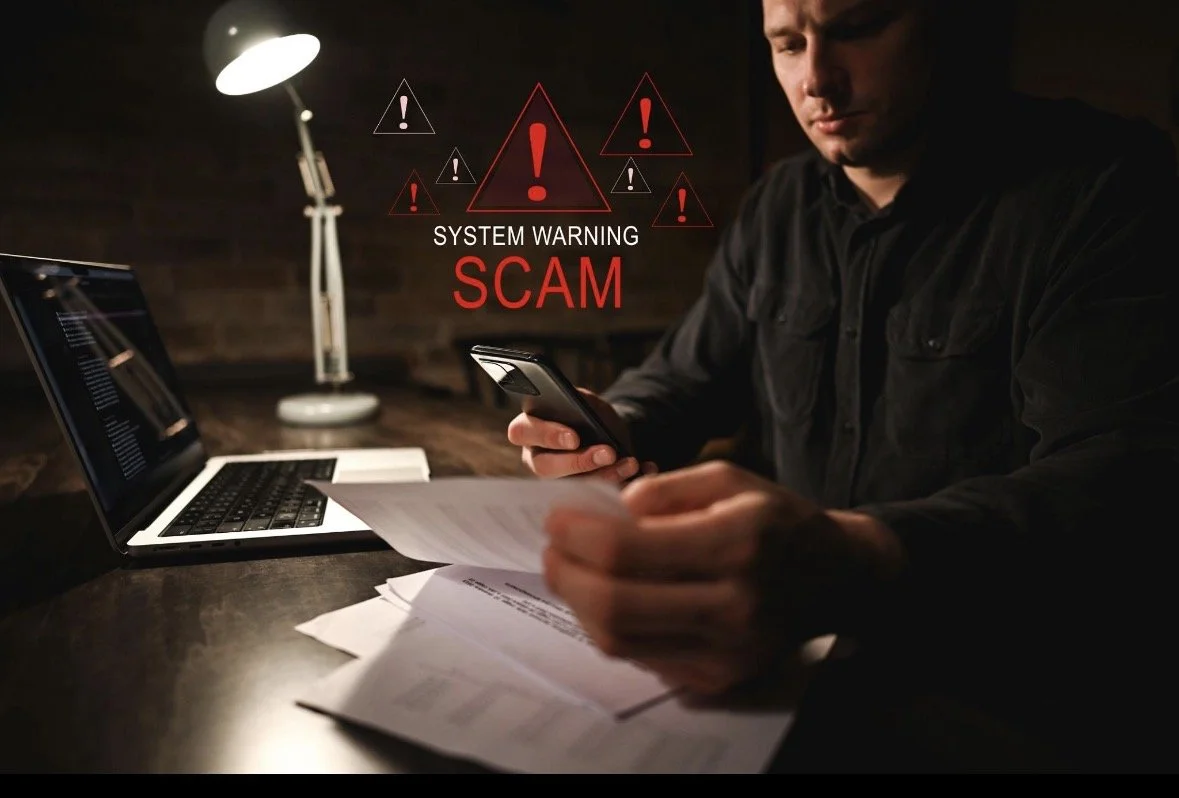
One of the most effective tools in a fraudster’s arsenal isn’t sophisticated technology, stolen data, or even a convincing story. It’s urgency.
Fraudsters understand something about human behavior: when people feel rushed, they are more likely to make decisions without fully evaluating the situation. The goal isn’t simply to trick someone—it’s to prevent them from thinking critically long enough to recognize the warning signs.
Whether it’s a text message claiming your bank account has been compromised, a phone call threatening legal action, or an email demanding immediate payment, urgency is often the common thread.
The next time someone tells you that you must act right now, pause and ask yourself an important question:
Who benefits from me making a rushed decision?
The Psychology Behind Urgency
When we perceive a threat or high-pressure situation, our brains shift into a protective mode.
Instead of carefully analyzing information, we focus on resolving the perceived problem as quickly as possible. This response evolved to help humans survive immediate dangers, but fraudsters exploit it for their own gain.
When urgency takes over:
Logical thinking decreases.
Emotional responses increase.
Attention narrows.
Verification steps are skipped.
Red flags become easier to overlook.
Fraudsters know this. That’s why many scams are designed to create anxiety, fear, excitement, or panic.
Their objective is simple:
Get you to react before you think.
How Fraudsters Create Urgency
Threats and Consequences
Fraudsters often claim something bad will happen if immediate action isn’t taken.
Examples include:
“Your account will be suspended.”
“Your payment is overdue.”
“Your identity has been compromised.”
“Law enforcement will be notified.”
The fear of consequences can push victims into acting before verifying the information.
Artificial Deadlines
Many scams include a countdown or time limit.
Examples:
“Respond within 30 minutes.”
“This offer expires today.”
“Act now to avoid penalties.”
These deadlines are rarely legitimate. Their purpose is to eliminate the opportunity for careful thought.
Authority Pressure
Scammers frequently impersonate trusted organizations such as:
Banks
Government agencies
Utility companies
Technology support teams
People naturally trust authority figures. When authority is combined with urgency, the pressure becomes even more effective.
Scarcity Tactics
Fraudsters may claim there is only a limited opportunity available.
Examples include:
Investment opportunities
Cryptocurrency schemes
Prize winnings
Exclusive offers
The fear of missing out can cloud judgment and lead to poor decisions.
Real-World Examples
Bank Impersonation Scams
You receive a text message stating that suspicious activity has been detected on your account and immediate action is required.
The message includes a link and warns that your account may be locked if you do not respond.
The goal is not security.
The goal is to get you to click before you verify.
Government Impersonation Scams
A caller claims to represent a government agency and states that unpaid taxes or legal issues require immediate payment.
Victims are told they must act now or face penalties.
Legitimate agencies do not demand immediate payment through gift cards, cryptocurrency, or wire transfers.
Business Email Compromise
An employee receives an urgent email that appears to come from an executive.
The message requests an immediate wire transfer and stresses confidentiality.
The fraud succeeds because the victim focuses on the urgency rather than the unusual request.
The Four-Step Response to Urgency
When faced with a high-pressure request, remember these four steps:
1. Pause
Do not react immediately.
Fraudsters want speed. Slowing down disrupts their strategy.
2. Question
Ask yourself:
Why is there pressure?
What happens if I wait?
Is this request reasonable?
Legitimate organizations understand the need for verification.
3. Verify
Use trusted contact information to confirm the request.
Do not rely on phone numbers, links, or email addresses provided in the message.
4. Think
Make decisions when you are calm—not when you are emotional.
Critical thinking is one of the strongest fraud prevention tools available.
The Bottom Line
Fraudsters are not just targeting your information or your money.
They are targeting your decision-making process.
Urgency is designed to bypass critical thinking and trigger emotional reactions. The faster they can get you to act, the less likely you are to identify the warning signs.
The next time a message, email, or phone call demands immediate action, remember:
Slow down. Verify. Protect yourself.
Because legitimate organizations may ask for your attention—but fraudsters demand your urgency.
Fraud Aspect Takeaway
If someone is pressuring you to act immediately, that pressure itself may be the biggest red flag.